Fully Furnished vs. Fully Finished Office
Historic homes ooze charm, but updating them requires finesse. Explore how to modernize while preserving timeless character.
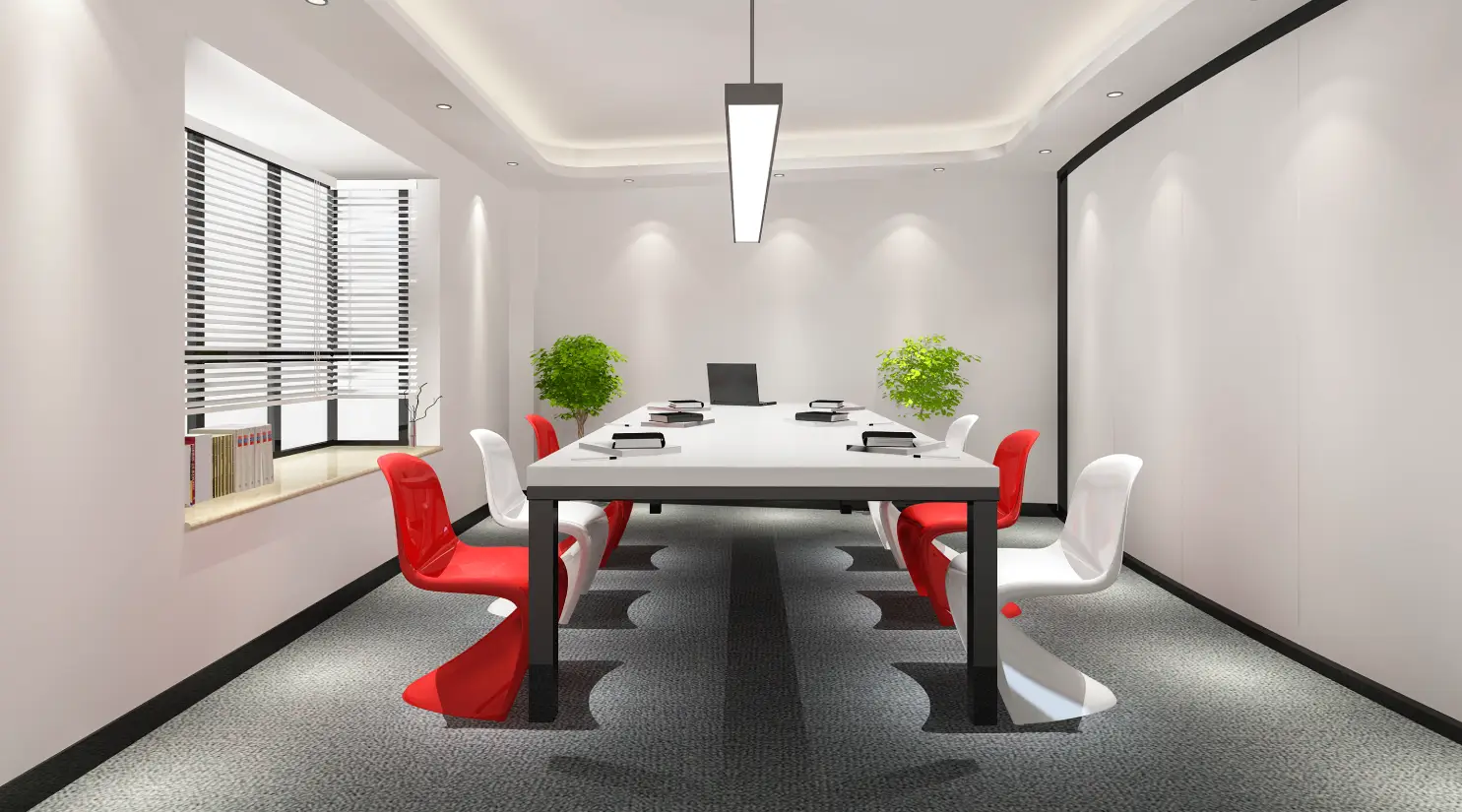
Fully Furnished vs. Fully Finished Office: Which Should You Choose?
When searching for an office in Egypt, you will often come across two common options: fully furnished offices and fully finished offices.
Although the terms sound similar, they offer very different solutions for businesses.
What Is a Fully Finished Office?
A fully finished office usually means the space has completed flooring, ceilings, walls, electrical systems, lighting, air conditioning infrastructure, and other basic finishing work.
However, furniture may not be included.
This option is suitable for businesses that want to customize their workspace.
What Is a Fully Furnished Office?
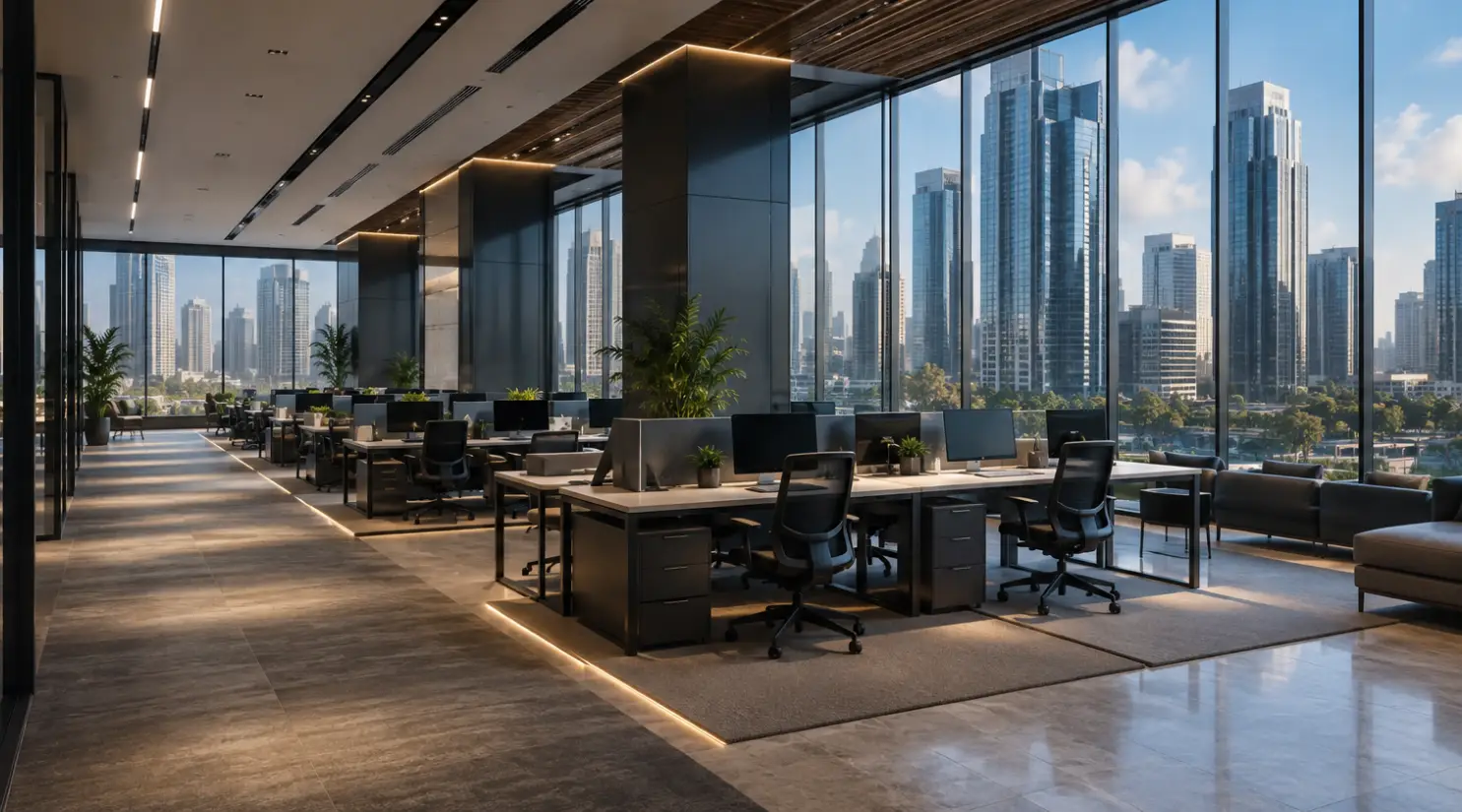
A fully furnished office is generally ready for immediate use.
Depending on the property, it may include:
- Desks
- Chairs
- Meeting tables
- Reception furniture
- Lighting
- Storage
- Internet infrastructure
- Office equipment
This allows a company to move in with significantly less preparation.
Advantages of Fully Furnished Offices
Faster Move-In
Businesses can often start working much faster because most of the setup has already been completed.
Lower Initial Setup Costs
You don’t necessarily need to purchase furniture and organize a complete office fit-out.
Flexible for Short-Term Requirements
Fully furnished offices can be attractive for startups, project teams, and companies entering a new market.
Advantages of Fully Finished Offices
More Customization
You can design the workspace according to your company’s brand and workflow.
Better Long-Term Control
Businesses planning to stay in the same location for several years may prefer creating their own office environment.
Which One Should You Choose?
Choose a fully furnished office if you prioritize speed, convenience, and minimal setup.
Choose a fully finished office if customization and long-term planning are more important.
The right choice depends on your business model, budget, team size, and expected lease duration.